
Wisdom Teeth Removal in Bingham Farms
Wisdom teeth do not always cause problems, but when they do, addressing them early is almost always the right call. At Groth Dental, we make the removal process comfortable and straightforward, with clear guidance at every step.
What You Need to Know About Wisdom Teeth
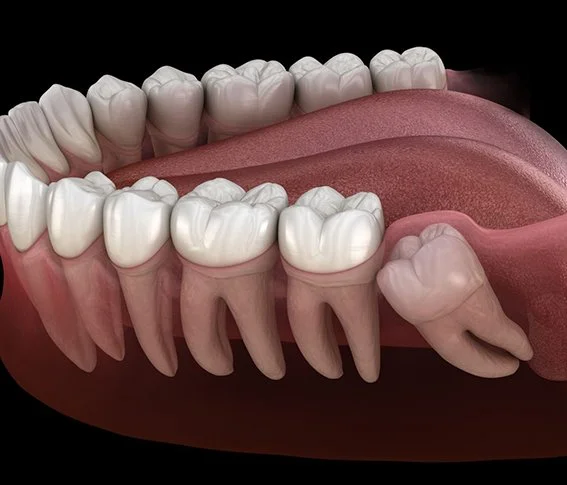
Wisdom teeth are the third set of molars that typically emerge between the late teens and mid-twenties. When there is not enough space for them to come in properly, they can grow at an angle, become partially trapped beneath the gums, or fail to emerge at all. This is known as impaction.
Impacted wisdom teeth can damage surrounding teeth and jawbone, create pockets where bacteria accumulate, and lead to pain, infection, and decay that is difficult to treat. Because wisdom teeth are so hard to keep clean even when they do come in fully, removal is often the most straightforward path to protecting your long-term oral health.
Regular dental X-rays allow Dr. Groth to monitor wisdom tooth development and recommend removal before problems develop, often making the process simpler and recovery faster.
How We Approach Wisdom Tooth Removal
After evaluating factors like tooth position, mouth shape, and the stage of development, Dr. Groth will recommend the right course of action for your situation. Removing wisdom teeth before the roots and bone are fully developed typically results in a faster, easier recovery, which is why earlier evaluation often leads to better outcomes.
If your wisdom teeth have already come in, we can assess them visually. If they have not yet emerged, X-rays give us the full picture we need to make the right call.
Common Questions About Wisdom Tooth Removal
-
There are several signs that wisdom teeth may need to come out. These include impaction where the tooth is stuck under the gum or fully buried in the jaw, cyst formation around a trapped tooth that can damage nearby roots, teeth growing at unusual angles that affect bite alignment, overcrowding from insufficient space for the tooth to emerge properly, and partial eruption that creates an opening for bacteria and increases the risk of gum disease and infection.
-
Wisdom teeth typically emerge between ages 17 and 25, and the process can cause swelling, pressure, and discomfort. While these home remedies can offer temporary relief, they are not a substitute for professional evaluation. Options that may help include rinsing with warm saltwater, applying peppermint or clove oil to the affected area, taking an over-the-counter pain reliever such as ibuprofen or aspirin, and applying an ice pack or warm compress to the outside of your cheek.
-
An impacted wisdom tooth is one that does not have enough room to emerge normally. The severity varies based on where the tooth sits in the jaw. A soft tissue impaction means the crown has broken through the bone but part of the gum still covers it. A partial bony impaction means the tooth has partially emerged but part of it remains beneath the jawbone. A complete bony impaction means the tooth is fully surrounded by bone and has not emerged at all. Each type requires different considerations when planning removal.
New Patients & Emergency
Appointments Welcome!
We’re Your Top-Rated Team
PROUDLY SERVING THE BINGHAM FARMS AREA